
-
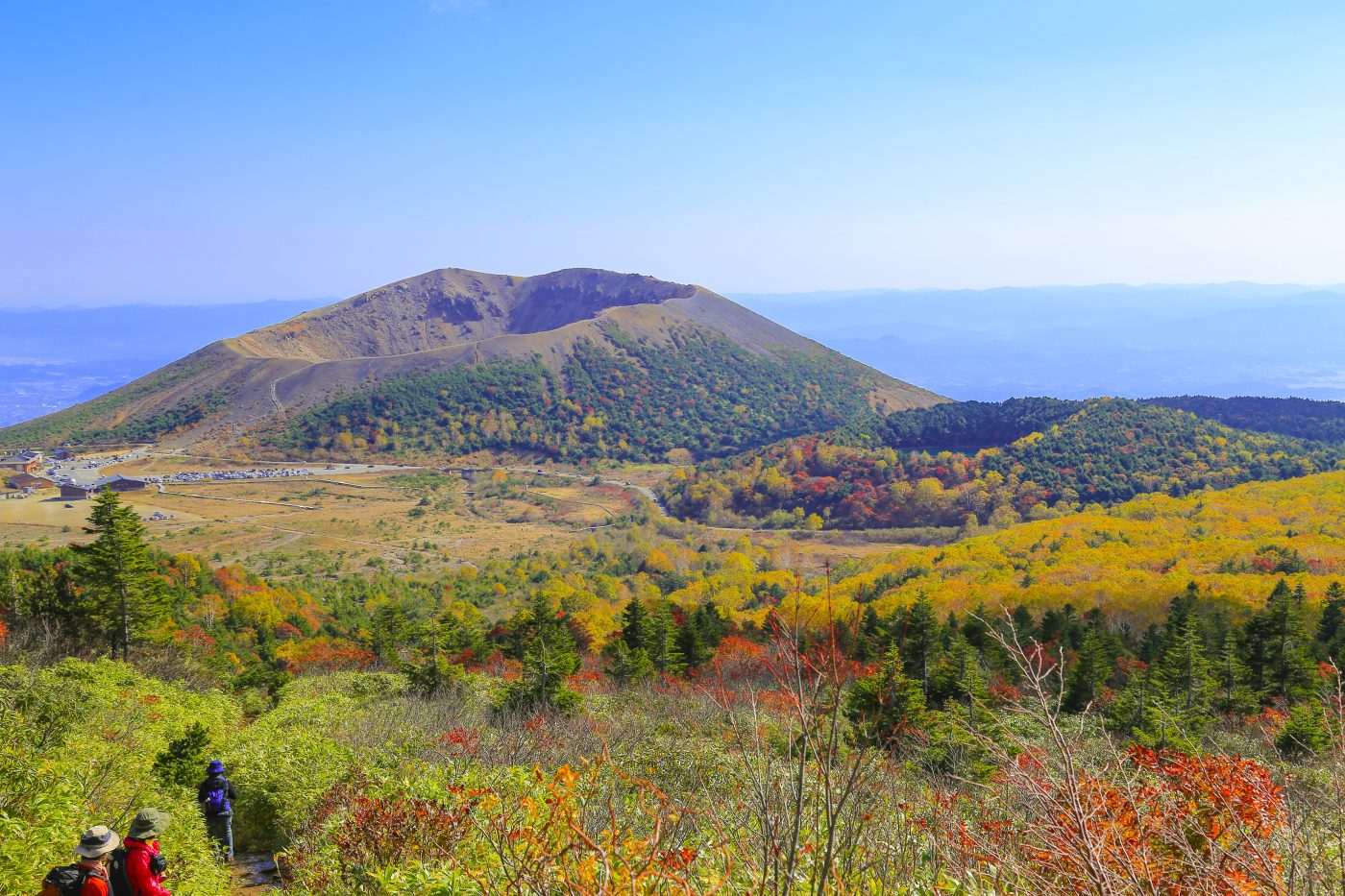
Japan’s National Parks Are The New Trend: Exploring the Bandai-Azuma-Adatara Volcano Trail 【Nihonmatsu City, Fukushima Prefecture】
Author: Federica Kadose
Despite Japan’s tourism’s continued growth, most visitors follow the same path. Around half travel to Tokyo, while another large share heads to Osaka and Kyoto. That leaves only a small fraction (3% or less) exploring the rest of the country, visiting places that are just as rich in culture, scenery, and experience.
Now, Japan’s national parks are entering a new spotlight.
Travelers are beginning to look beyond the obvious and toward lesser-known regions that offer something more grounded and meaningful.
These areas not only reward visitors with authenticity, but they are also the ones that benefit most from increased tourism. Choosing the less-traveled path in Japan means more than avoiding crowds. It opens the door to deeper cultural encounters, memorable food, and genuine hospitality.
One of the best ways to experience this shift is by exploring the country on foot, especially through its national parks.
目次
Walking the Bandai-Azuma-Adatara Volcano Trail
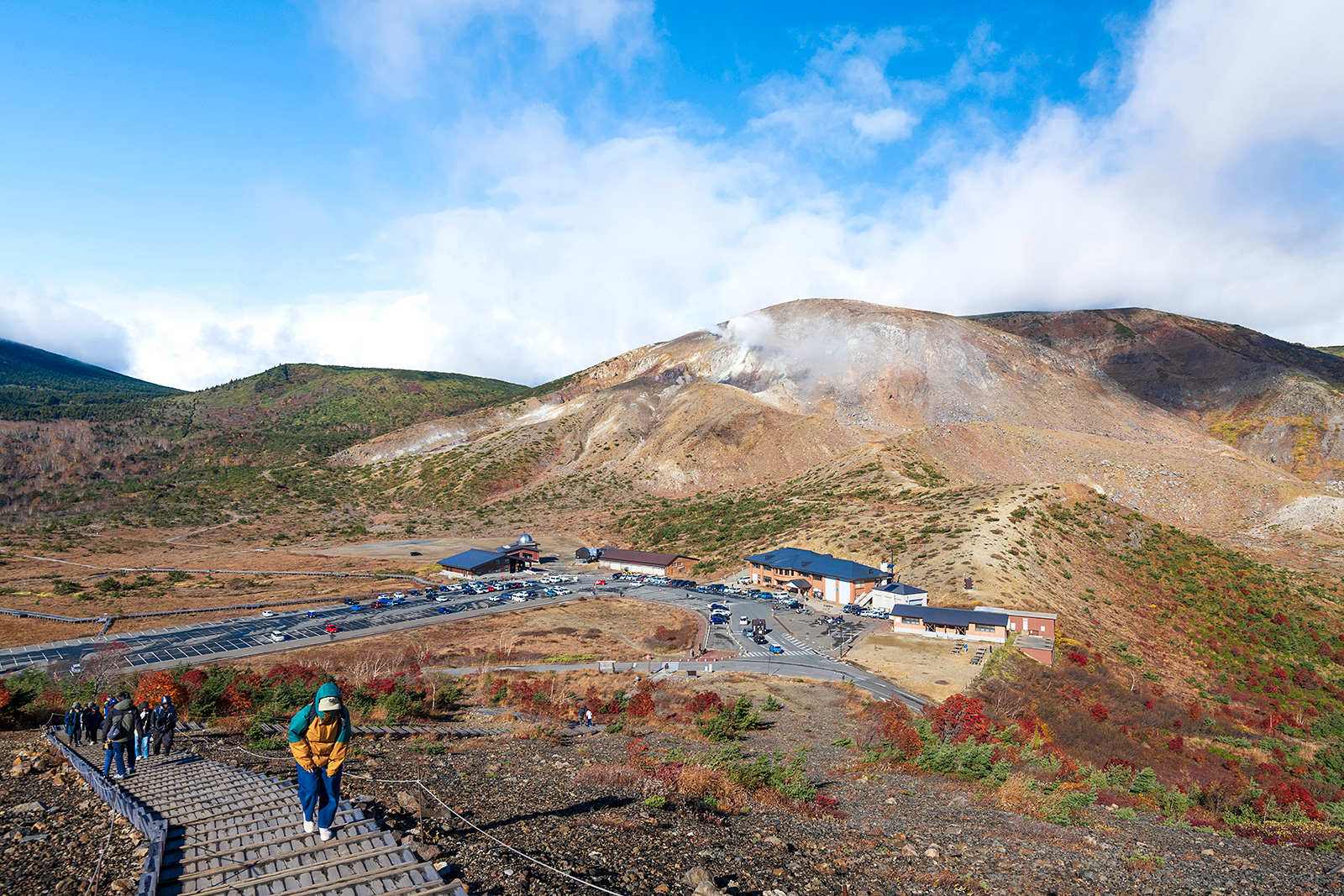
Hiking through Bandai-Asahi National Park, visitors encounter dramatic terrain shaped by volcanic activity. The trail passes lakes such as Inawashiro and Hibara, both formed through past eruptions, and reveals a constant shift in scenery.
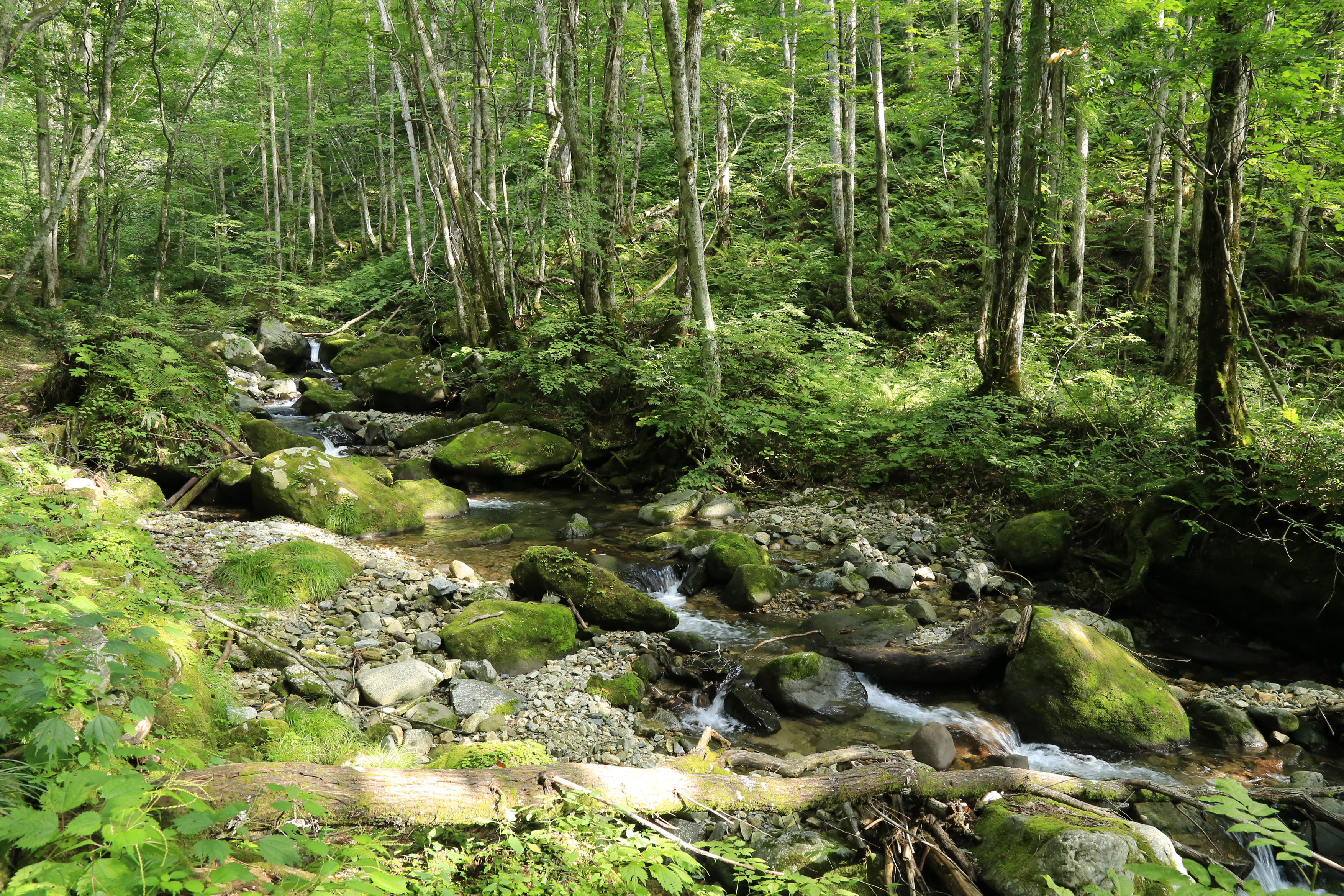
Every few kilometers, the environment changes—dense forests give way to stark volcanic fields, especially as you move into the Azuma area.
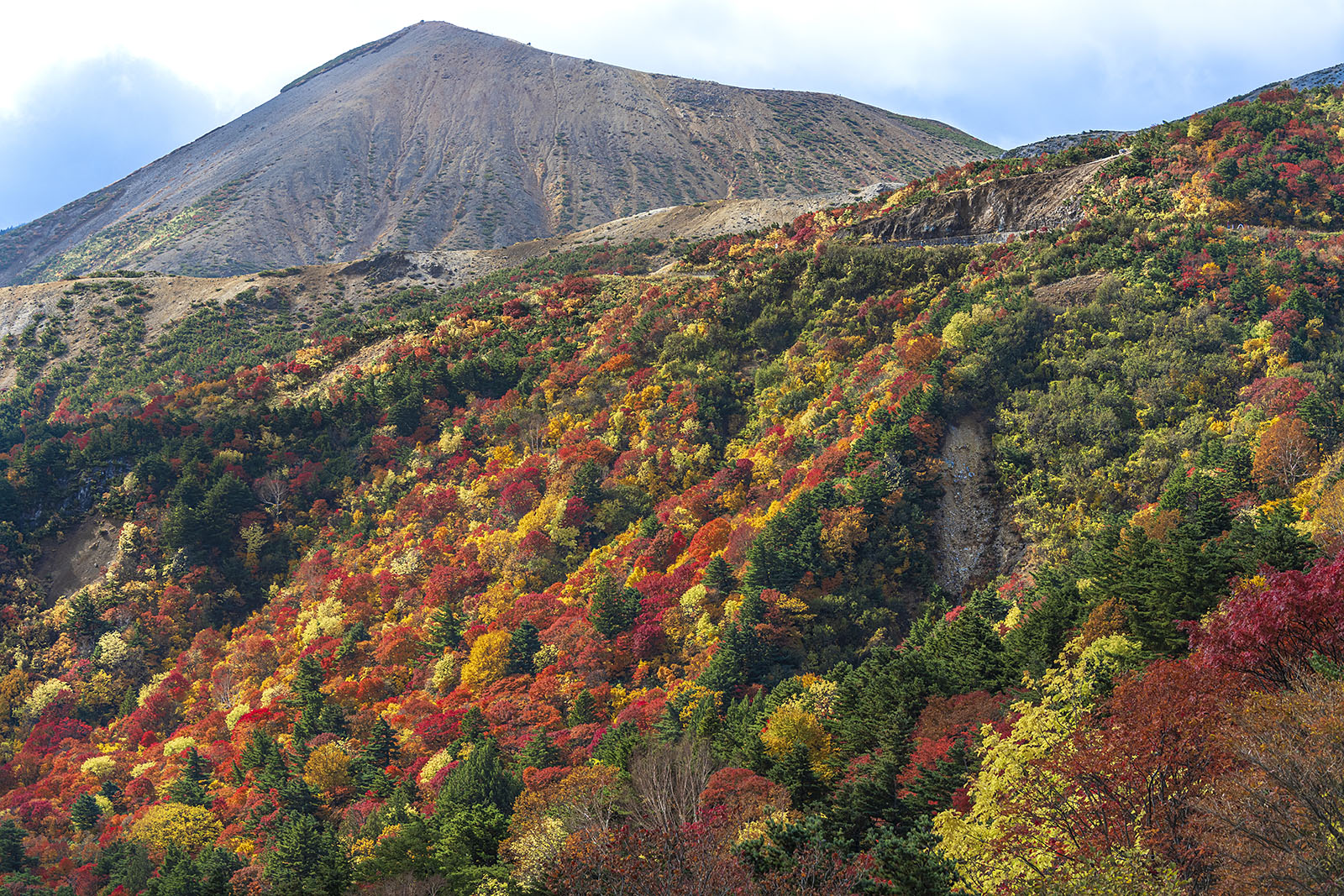
While the full trail is extensive, it can easily be explored in shorter sections. Even a brief journey offers insight into the region’s geological history and natural beauty, making it accessible to a wide range of travelers.
Lessons in Culture, Craft, and The Art of Slowing Down
What sets this region apart is not just its landscape, but its living culture. Along the trail, visitors can experience Japan’s deep-rooted traditions, from its long-standing hot spring culture to its unique approach to bonsai.
In fact, Fukushima is known as the birthplace of bonsai grown from seed, and its connection to nature is evident in the trees themselves.
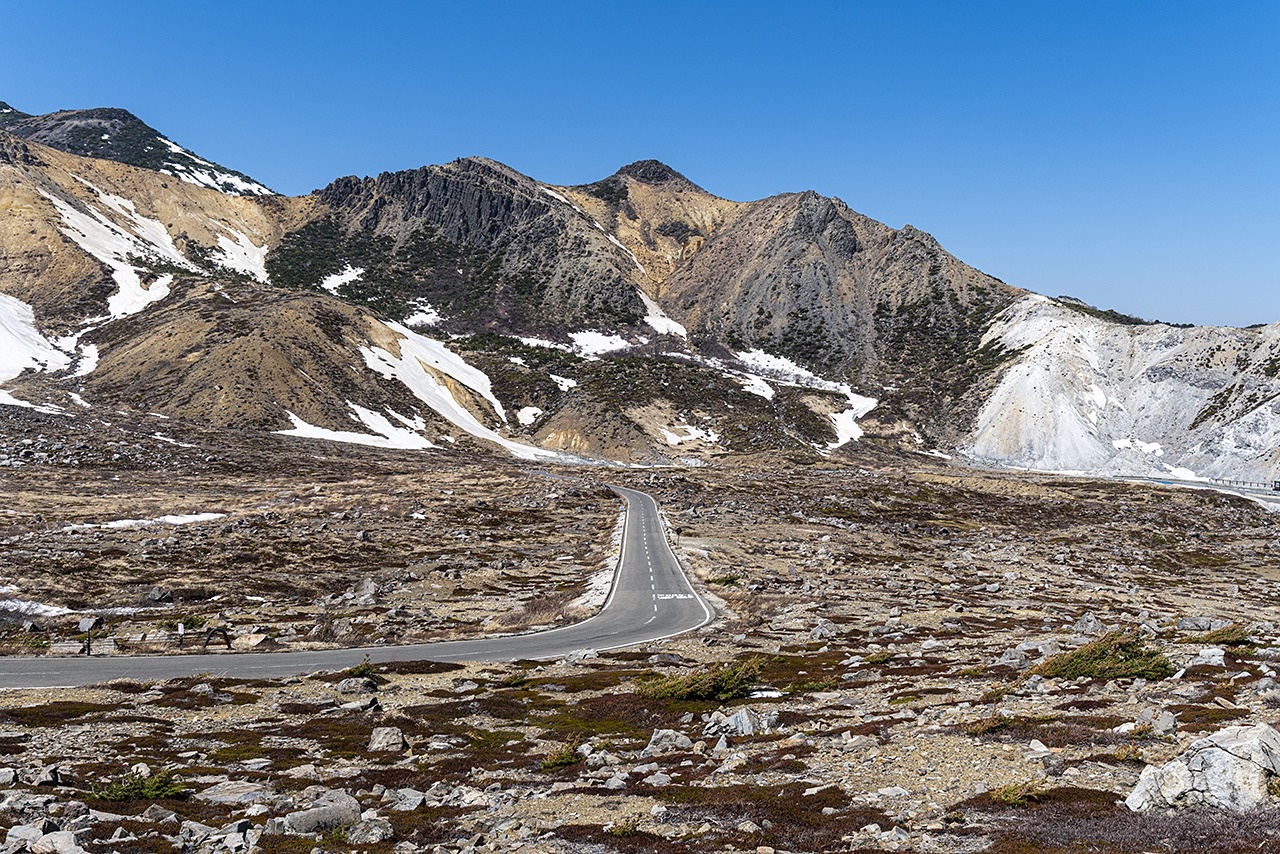
The white pines of Bandai-Asahi National Park, shaped by harsh mountain conditions, twist and bend in striking forms. These natural designs inspire local artisans, such as the Abe family, who cultivate bonsai that reflect the resilience of the landscape.
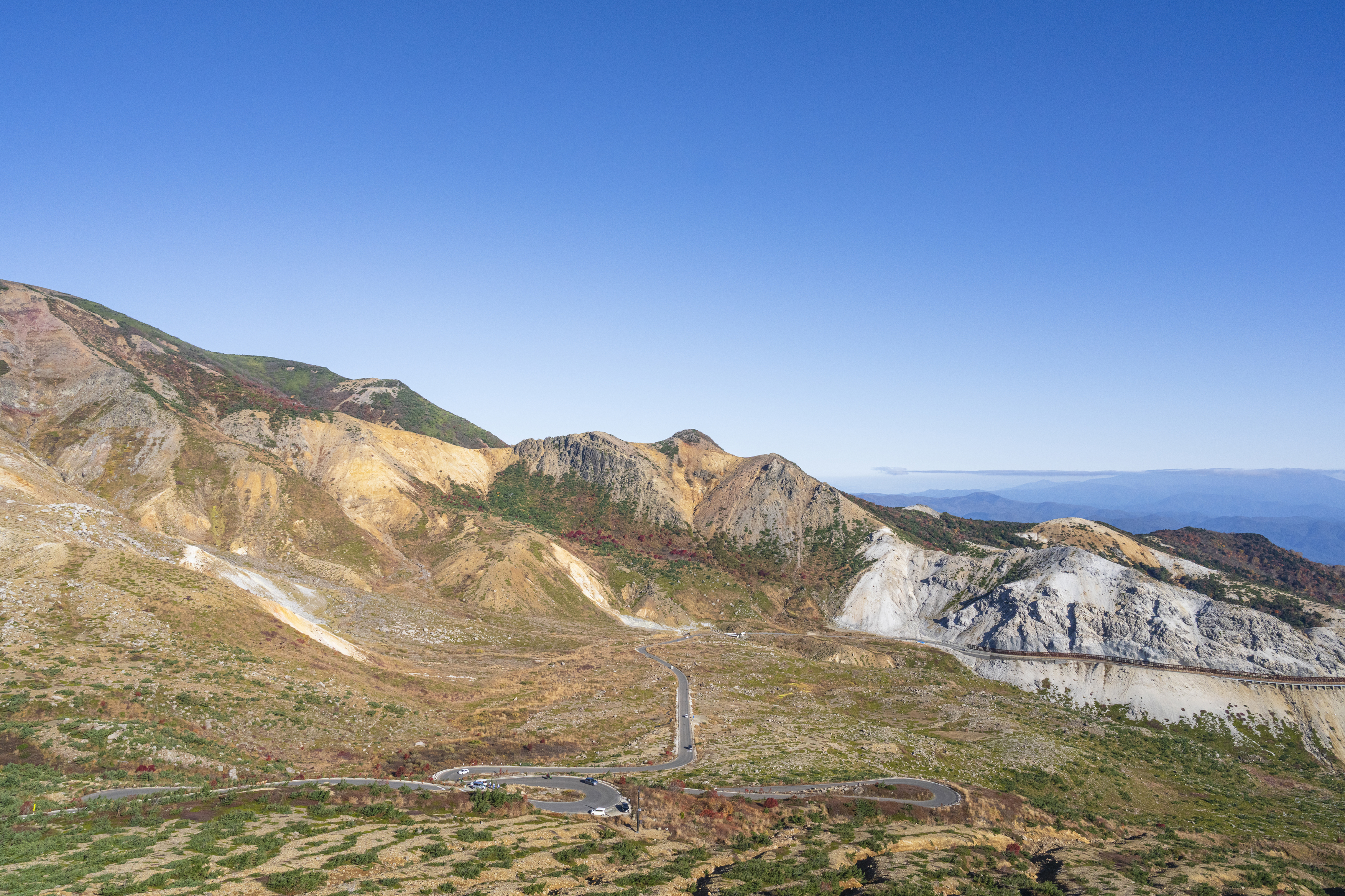
Despite the rugged environment, marked by sulfuric winds, heavy snowfall, and unpredictable weather, hospitality remains exceptional. Accommodations throughout the region offer comfort and warmth, creating a balance between nature’s intensity and human care.
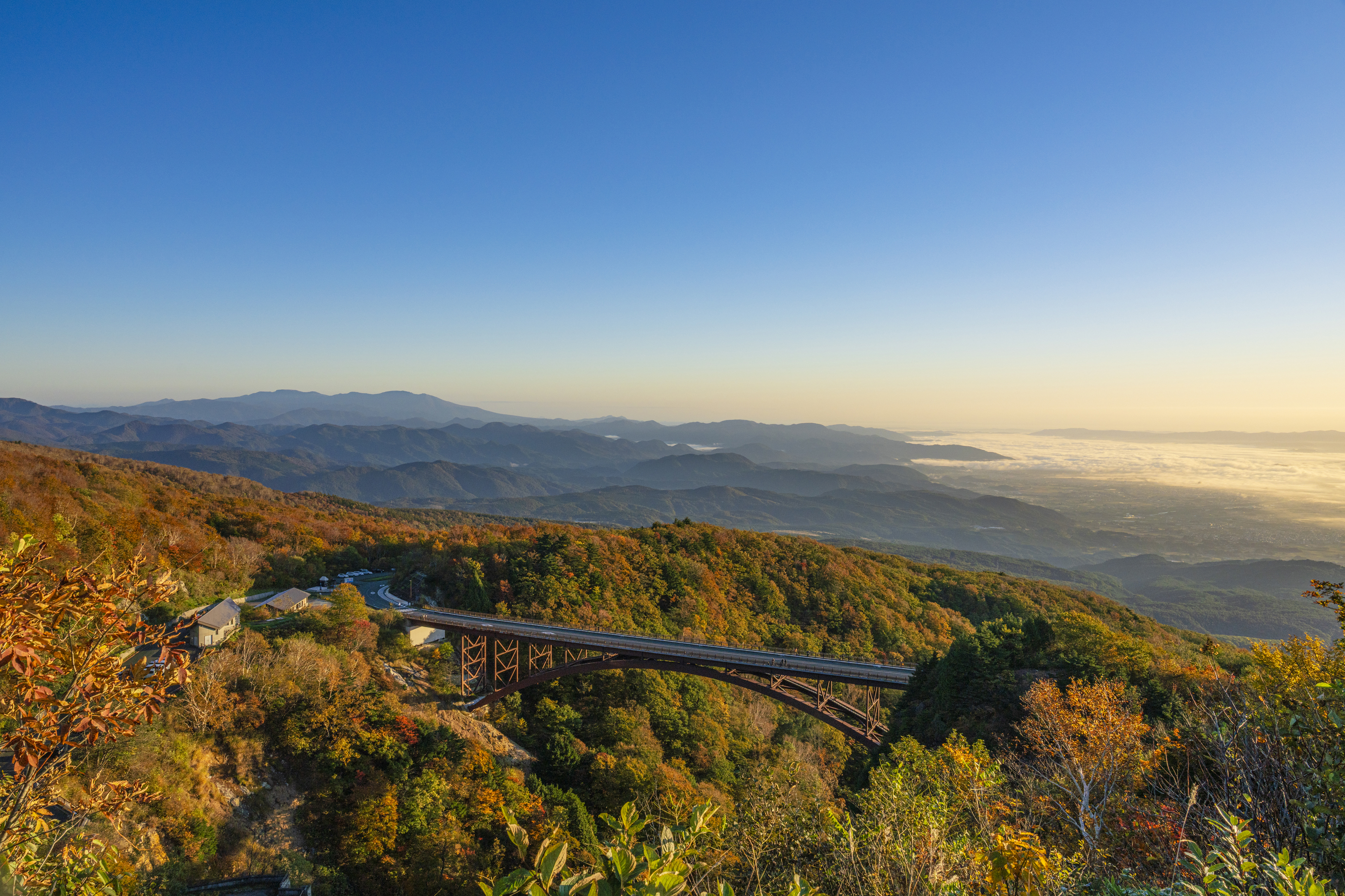
More than anything, the trail encourages a slower pace.
In a world driven by speed and instant gratification, walking through this landscape allows visitors to reconnect with nature, with tradition, and with time itself.
Japan’s national parks may lack the global recognition of its cities, but for those willing to explore them, they offer something far more enduring.
Are You Looking for More Inspiration?
- Read our recommendations for Iwate prefecture
- Read about the Alpine landscape of Kamikochi, in Nagano prefecture
Visitor Information
■ Address: 1-104 Dake Onsen, Nihonmatsu-shi, Fukushima-ken
■ By Train: Take the Tohoku Shinkansen from Tokyo Station to Koriyama Station (about 1 hour 20 minutes) -> switch to the Tohoku Line to Nihonmatsu Station (about 20 minutes) -> take the Fukushima Kotsu bus or a taxi to Dake Onsen (about 25 minutes).
The Adatara Nature Center is a 2-minute walk away.
最新の市町村紹介
Japan’s National Parks Are The New Trend: Exploring the Bandai-Azuma-Adatara Volcano Trail 【Nihonmatsu City, Fukushima Prefecture】
2026年4月21日

A Trip in Yanbaru Forest, Northern Naha 【Okinawa Prefecture, Kunigami District 】
2026年3月17日
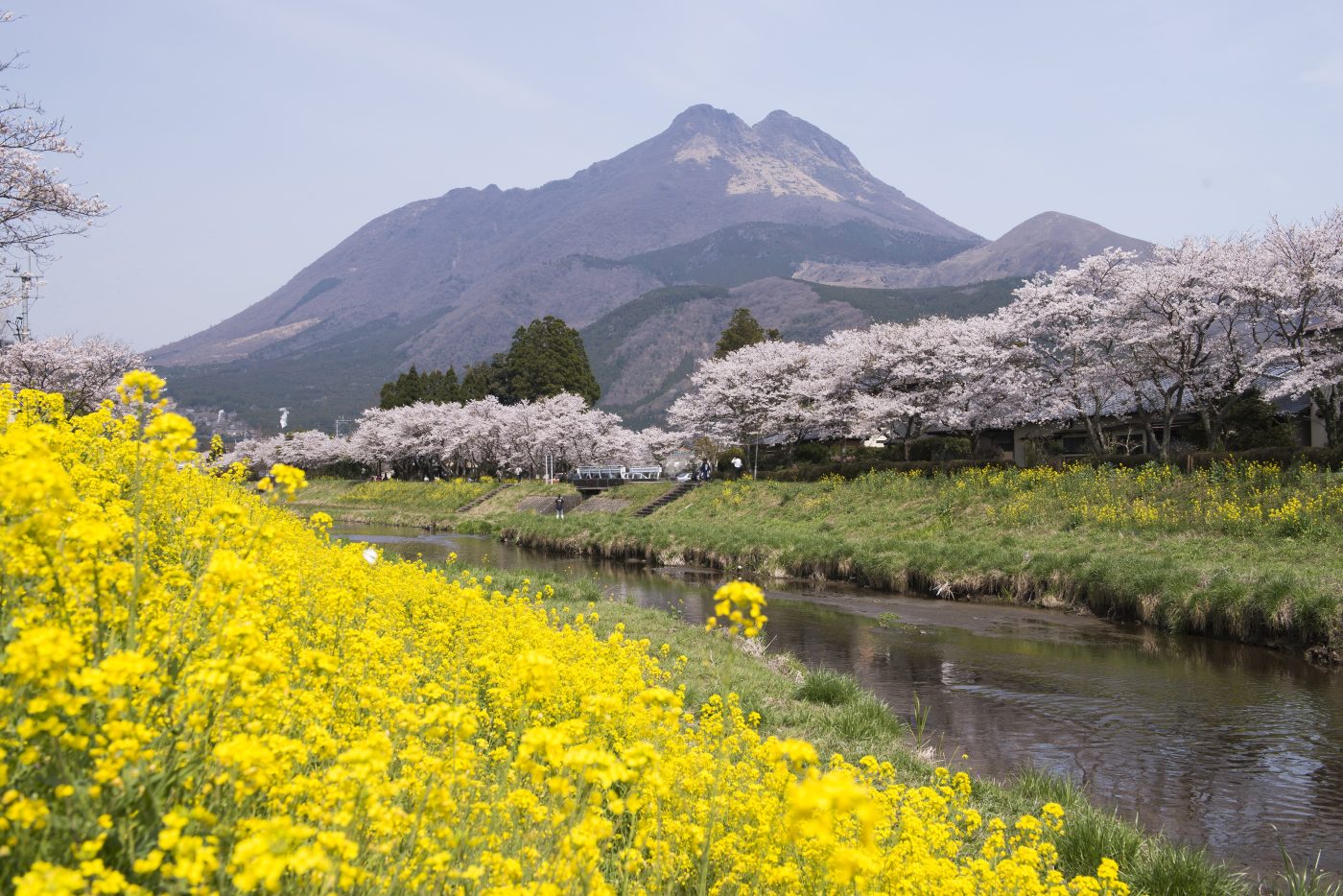
Fulfill Your Wanderlust in Mount Yufu, Yufuin Basin【Oita Prefecture, Yufu City】
2026年1月27日
成田空港から車で20分! 世界に一番近い田舎「多古町」が冬~春の観光情報をお届けします!【千葉県多古町】
2026年1月5日

レトロな街並みを散策!宇佐市&豊後高田市おすすめ観光スポット巡り【宇佐市×豊後高田市】
2025年12月22日


